Air Vent Cleaning: Inhale More Easily With These Important Tips
Air duct maintenance plays an important role in maintaining a healthy indoor environment. It helps remove contaminants, dust, and allergens that can impact air quality. Recognizing when ducts require service is crucial for optimal HVAC performance. Homeowners often miss the methods and equipment required for thorough cleaning. Understanding these aspects can significantly enhance comfort levels and energy efficiency. What steps should one take to ensure improved air quality and system efficiency?
How Air Duct Cleaning Boosts Your Well-being
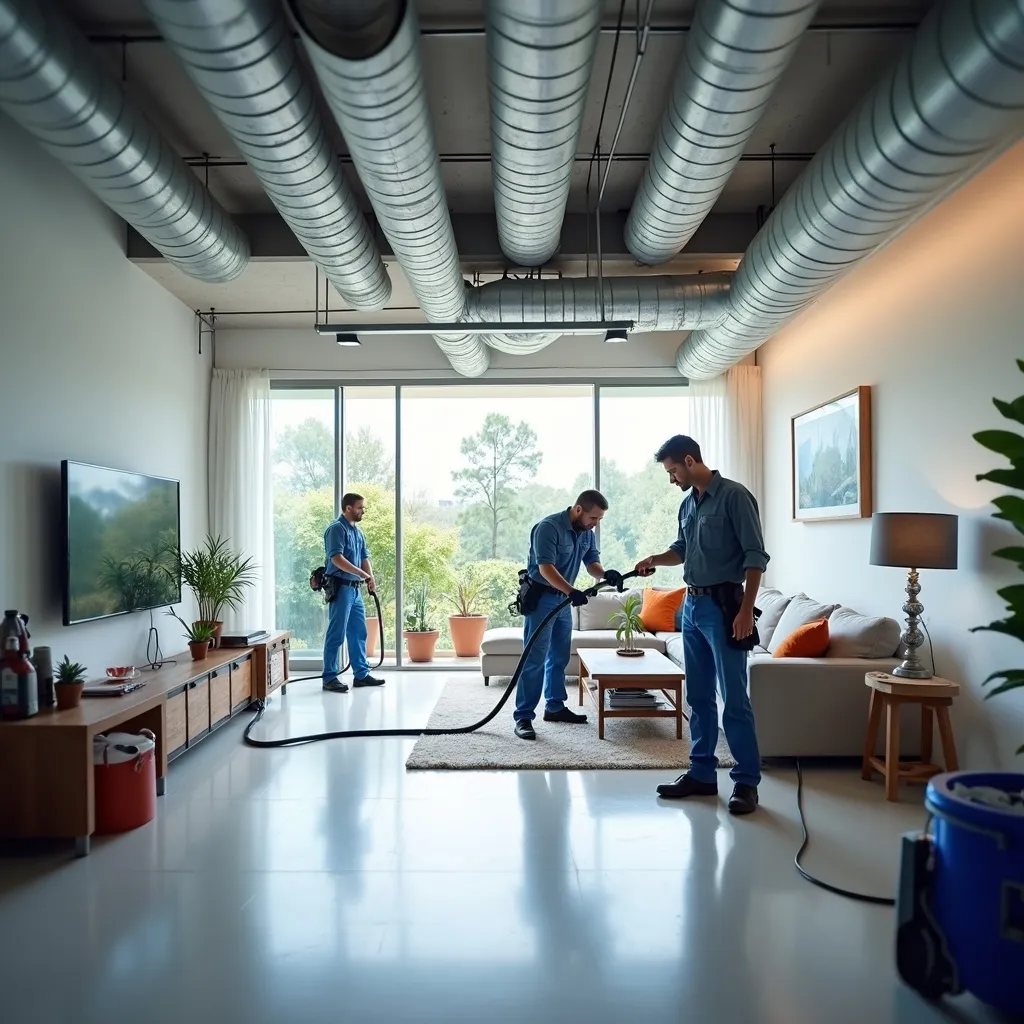
Air duct cleaning boosts indoor air quality, leading to better health outcomes for occupants. Over time, allergens, dust, and pollutants build up within the ductwork, flowing through the air. This accumulation can aggravate allergies, respiratory issues, and health problems. By removing these contaminants, air duct cleaning reduces the likelihood of airborne illnesses and promotes a healthier living environment.
In addition, clean air ducts can optimize the capacity of heating and cooling systems, producing more uniform temperatures and minimal energy demand. This contributes not only to overall comfort but also limits exposure to injurious materials that can be discharged when systems are improperly maintained.
Periodic maintenance of air ducts guarantees that fresh, clean air moves throughout the home, promoting better sleep, increased energy levels, and overall well-being. Ultimately, keeping clean air ducts is an crucial step in safeguarding the health of all occupants.
Warning Signs Your Ducts Need Cleaning?
Air duct maintenance is crucial for sustaining a clean living environment. Homeowners should stay vigilant for several indicators that show duct cleaning is required.
A prominent symptom is apparent dust or debris around vents or the air filter, suggesting accumulated dirt within the ducts. Also, if occupants experience increased allergy reactions, such as sneezing or congestion, it may point to that pollutants are circulating in the air.
Foul aromas coming from vents may also point to mold growth or stagnant debris. Additionally, if the HVAC system is performing poorly, requiring frequent repairs or resulting in inconsistent temperatures, dirty ducts could be the problem.
Finally, an rise in utility costs might indicate a clogged system having difficulty distributing air properly. Recognizing these signs can help guarantee timely cleaning and maintain peak indoor air quality.
DIY Air Duct Cleaning Equipment You Require
Sustaining clean air ducts necessitates the appropriate tools to ensure effective DIY sanitization. Essential equipment for this task include a vacuum apparatus supplied with a HEPA filter, which captures small particles and allergens.
A collection of brushes, specially crafted for cleaning ducts, helps dislodge particles and dust from the duct walls. Additionally, a light source is essential for examining shadowy spaces in the duct system, guaranteeing thorough cleaning.
Safety gear, such as gloves and a dust mask, is crucial discover now to copyright safety while dealing with dust and possible contaminants. A screwdriver set is also essential for detaching vent covers and access panels.
A wet fabric can ultimately be used to wipe vent zones once cleaning is complete. Together, these tools make a comprehensive kit for anyone intending to tackle air duct cleaning effectively and safely.
Obtain Essential Tools
Gathering the proper tools is crucial for an effective air duct cleaning operation. A premium vacuum cleaner with a HEPA filter is vital for removing dust and allergens.
A set of brushes, including a long-handled duct brush, assists in removing debris from the duct walls. Adaptable duct cleaning rods can increase reach and enable access to hard-to-reach areas. Additionally, having a flashlight permits thorough examination of the ducts' interiors.
Protective gear, such as gloves and masks, guarantees safety during cleaning. Finally, a step ladder may be needed for reaching higher vents.
Prepare Your Space
A properly organized space is crucial for an efficient air duct cleaning procedure. First, the area around vents should be emptied of items and blockages to allow for easy access. This helps avoid any harm to belongings and guarantees a complete cleaning.
Following this, property owners should seal supply vents with plastic sheeting to contain dust and debris during the procedure. It is also recommended to turn off the HVAC system to avoid spreading pollutants.
Finally, placing a vacuum with a HEPA filter in the area can help trap any particles dislodged during cleaning. By taking these steps, individuals create an ideal atmosphere that facilitates effective air duct cleaning and improves overall results.
Clean Ducts Completely
Before embarking on the air duct cleaning procedure, it's necessary for house owners to learn the step-by-step approach that guarantees comprehensive cleaning and performance.
First, one should gather required equipment, including a vacuum, brushes, and microfiber cloths. Next, switch off the HVAC system to promote safety.
Afterwards, remove the vent covers and wash them with warm soapy water. Utilizing a vacuum, cautiously remove dust and debris from the ducts. For deeper cleaning, apply duct brushes to dislodge stubborn particles.
After cleaning, reinstall the vent covers and change the air filter. Finally, turn the HVAC system back on and inspect for any unusual sounds.
Opting for a Experienced Air Duct Purification Firm
How can one confirm that they find a reliable air duct cleaning service? First, it is vital to investigate potential providers extensively. Verifying for qualifications, such as those from the National Air Duct Cleaners Association (NADCA), assures clients of adherence to industry standards.
Next, obtaining multiple quotations makes possible a comparison of options and pricing. A dependable company will conduct a comprehensive inspection before presenting an estimate, sidestepping any deceptive low-cost proposals.
Moreover, ask regarding the cleaning methods and equipment used; a well-regarded service will use advanced tools and techniques.
Finally, validate the company possesses suitable insurance and is licensed, protecting clients from likely damages.
How to keep clean Air Ducts Year-Round
Preserving fresh air ducts year-round is vital for ensuring indoor air quality and operational efficiency. Regular inspections are important; occupants should inspect ducts for particles and dust accumulation every few months.
Using premium air filtration systems can significantly decrease contaminants, as these filters capture finer particles that standard filters might overlook. It is recommended to change these filters at least every three months or as suggested by the manufacturer.
In addition, minimizing indoor pollutants can assist in maintaining duct cleanliness. This includes constraining dust-generating activities, such as smoking or using certain candles, and confirming proper ventilation when applying cleaning products.
Routine care of the home, including sweeping and cleaning, helps decrease the amount of dust that could penetrate the ducts. Finally, scheduling a specialized cleaning service every few years can further guarantee that air ducts remain free from dangerous deposits, promoting a cleaner indoor space.
Air Duct Cleaning: Costs vs. Positive Effects
Examining the advantages and disadvantages of air duct cleaning reveals valuable information for homeowners. The upfront cost typically ranges from $300 to $1,000, depending on factors like the size of the home and the intricacy of the duct system.
Though this can appear substantial, the possible gains often exceed the costs. Clean air ducts can boost indoor air quality, decreasing allergens and irritants. This may cause fewer respiratory issues and decreased healthcare costs over time.
Furthermore, a spotless ductwork can improve HVAC efficiency, possibly reducing energy bills by 10-30%. Homeowners should also consider the lifespan of their HVAC systems.
Regular maintenance can extend the lifespan of the equipment, reducing the need for early replacements. Ultimately, comparing the upfront costs versus long-term wellness advantages and power conservation can help property owners take informed decisions concerning air duct cleaning.
Regularly Requested Questions
How Routine Should My Air Duct Cleaning Be?
Specialists recommend cleaning air ducts every 3 to 5 years. However, circumstances such as pets, allergies, or recent renovations may necessitate more regular maintenance. Regular upkeep guarantees superior air quality and system efficiency for maximum performance.
Is It Possible to Maintain My Air Ducts On My Own?
While you can clean ducts without professional help, DIY strategies may not accomplish complete cleaning. Proper tools and techniques are critical for effective cleaning, making professional support commonly a more reliable choice for superior air quality.
What Are the Dangers of Dirty Air Ducts?
Unclean air ducts may bring about inadequate indoor air quality, worsening allergens and pollutants. This could result in respiratory issues, allergies, and overall discomfort. Additionally, piled-up particles can weaken HVAC efficiency, escalating energy costs.
Are Assurances Provided by Duct Maintenance Companies?
Many duct system cleaning services do provide assurances, ensuring customer satisfaction. These guarantees often include the quality of work performed, providing confidence that the service will achieve defined benchmarks and handle any complications that emerge post-cleaning.
Does Air Duct Cleaning Services Warrant the Financial Commitment?
Investing in duct cleaning services can be worthwhile, as it improves air quality within your home, optimizes HVAC performance, and possibly extends system operational life. Homeowners frequently observe tangible benefits, making it a smart choice for many.